

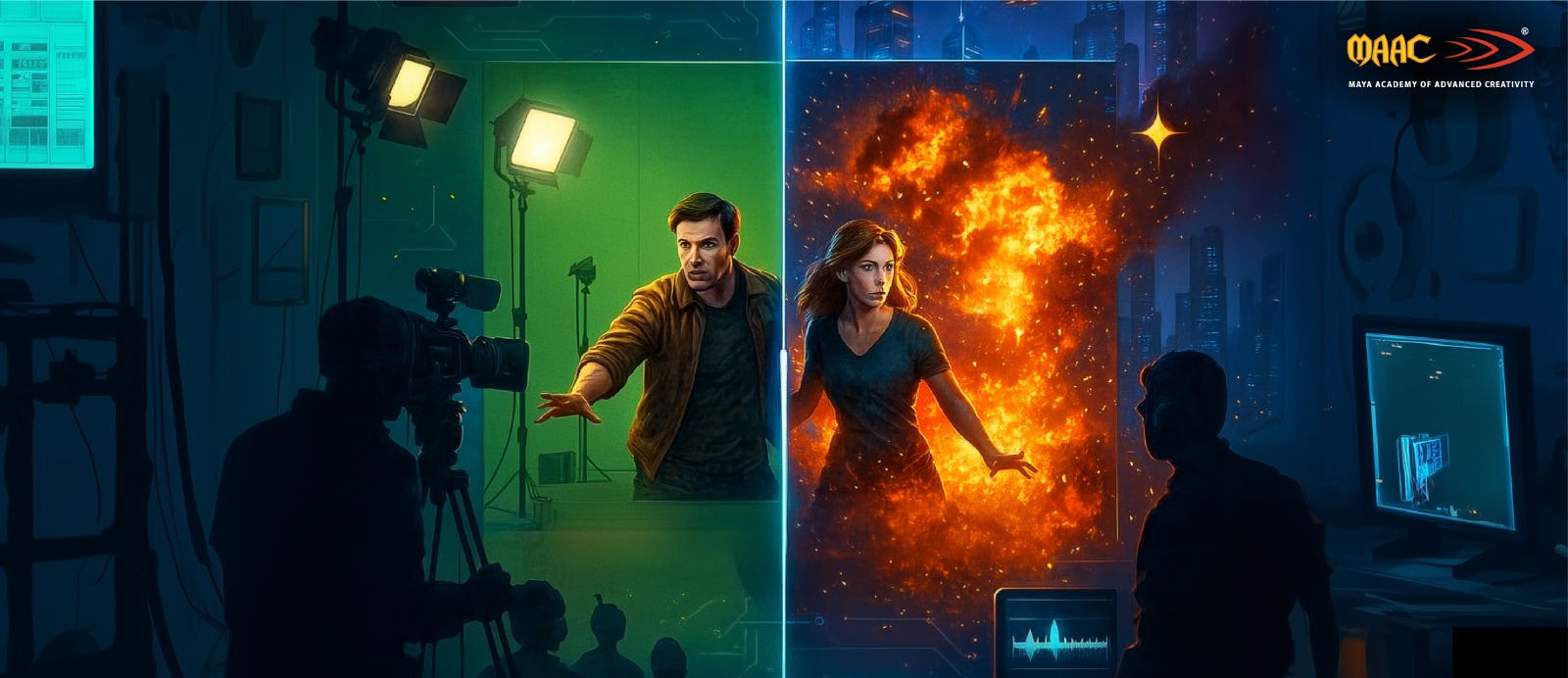
Visual effects today are far more than digital add-ons. They have become an essential language of modern filmmaking, shaping how stories are built and how audiences experience them. Filmmakers use VFX not just to create the impossible but to extend reality with nuance, detail, and atmosphere. From subtle environmental enhancements to entire digital universes, VFX allow directors to craft visuals that support the emotional tone of a film as much as its scale. At its core, VFX in movies is the disciplined use of technology to design or elevate shots in ways that feel purposeful, cinematic, and deeply connected to the story being told.
Understanding the Types of VFX Used in Movies
Several types of VFX come together and help make these modern films look extraordinary. Each type plays a unique role in shaping the story and adding visual richness.
- CGI - Computer-Generated Imagery
CGI in films is probably the most recognisable form of VFX. With CGI, artists can create digital objects, creatures, or whole environments that seamlessly mesh with live-action photography. From epic battle scenes to animated characters, the use of CGI adds layers to the levels of imagination applied to storytelling. In MAAC's Advanced Program in Visual Effects-ADVFX Plus, students will learn how to create CGI using industry software and leading techniques used by many studios around the world. - Compositing Techniques in Movies
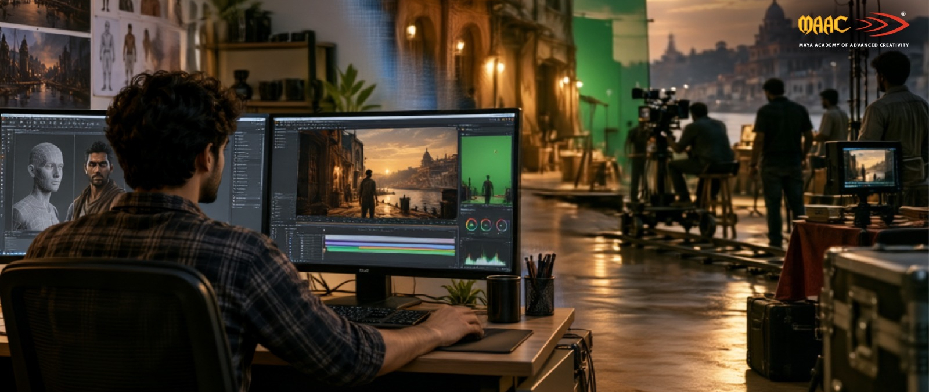
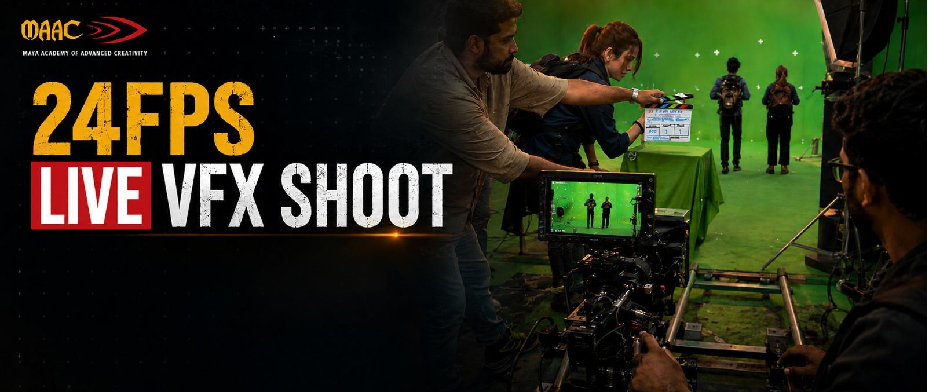
Compositing is an art form in which different images or video layers are put together into a single shot. Filmmakers commonly shoot actors in front of a green screen and digitally replace the background. These movie compositing techniques are responsible for seamlessly merging real footage with digital worlds. MAAC's Compositing & Editing Plus course teaches how to master the craft of using tools like Nuke and After Effects to produce cinematic-quality visuals. - Motion Capture Visual Effects
MoCap, or motion capture visual effects, records the movements of real actors and applies them to digital characters. It brings a great amount of realism to animation and fantasy films. Iconic movie characters such as Gollum in The Lord of the Rings and Na'vi in Avatar were brought into existence with the use of this technology. Students at MAAC get to understand how motion capture integrates with 3D animation and further helps them to understand character movement and performance. - Matte Painting and Set Extension
The filmmaking team sometimes needs an expansive landscape or a historical background that may not exist in reality. The technique allows the artists to paint or design such backgrounds digitally. Set extension techniques are used to extend the actual set by adding digital elements to it, saving time and cost while increasing realism. The 3D Animation & VFX courses offered at MAAC cover all these skills and more, enabling learners to create highly detailed, realistic environments. - Simulation and Dynamic Effects Simulation effects consist of, but are not limited to, water, smoke, fire, and explosions. These elements are actually created with advanced VFX software that can also take into consideration real-life physics. Be it a crashing wave or a building on fire, simulation adds intensity to scenes.
At MAAC, VFX learning is not about software; it's about creativity, storytelling, and practice. Courses are specially designed in consultation with industry experts so that students can learn exactly what production studios need. MAAC helps aspiring artists transform their love for movies into successful careers through live projects, mentorship, and a collaborative learning environment. If you have ever wondered how filmmakers create visual magic, then a course in VFX at MAAC is where you begin. You will learn every aspect of the craft and discover exactly how to transform imagination into motion.