

Table of Contents
- Introduction
- Anime is no longer just something you watch
- MAAC at Anime India
- What a 2D animation course actually teaches
- What a 3D animation program builds on top of that
- Where an animation and multimedia course fits into the picture
- Bringing it all together
- Frequently asked questions
Introduction
There is a pretty common assumption floating around that liking anime and actually working in the industry are two completely different worlds, that one is just a fandom thing and the other belongs to some small, faraway circle of people in Japan who somehow got lucky enough to draw for a living. Spend a bit of time inside India's growing anime and animation scene, though, and that assumption starts falling apart fast. The gap between watching anime and actually building a career around it has shrunk a lot in recent years.
Part of that shift is visible in how Indian events and training now sit closer to the industry itself. MAAC showing up at Anime India is a good example. What used to be treated purely as a fan convention has slowly become a space where audiences and the training that leads to real industry work end up in the same room.
Anime is no longer just something you watch
Anime in India has moved well past niche fandom territory at this point. Conventions are drawing bigger crowds each year, Japanese voice actors and directors have made appearances in person, and some Indian studios are starting to look for people who understand both the craft and the culture behind it. What is easy to miss from the outside, though, is that this whole ecosystem runs on people who actually trained for it. People who get pacing, frame by frame movement, character design and production pipelines well enough to contribute to work that fans genuinely respect, not just enjoy.
That is really the gap a proper 2D animation course or 3D animation program exists to close. Being a fan gets someone through the door, sure. But structured training is what lets them actually stay in the room and do something worth being there for.
MAAC at Anime India
MAAC's presence at Anime India reflected where the two sides of this industry naturally end up meeting anyway. Anime India pulls together the people who consume this content at scale, cosplayers, artists, gamers, lifelong fans, while MAAC sits on the training side that turns some of that enthusiasm into an actual, usable skill set.
Being present at an event built around Japanese pop culture, alongside industry names and studio partners, put MAAC's students and prospective students in proximity to the kind of professional scale this industry is building toward in India. For anyone genuinely curious about a career here, seeing that scale up close tends to land differently than just reading about it online, and it is the kind of exposure that can make courses like a 2D animation course or a 3D animation program feel a lot less abstract.
What a 2D animation course actually teaches
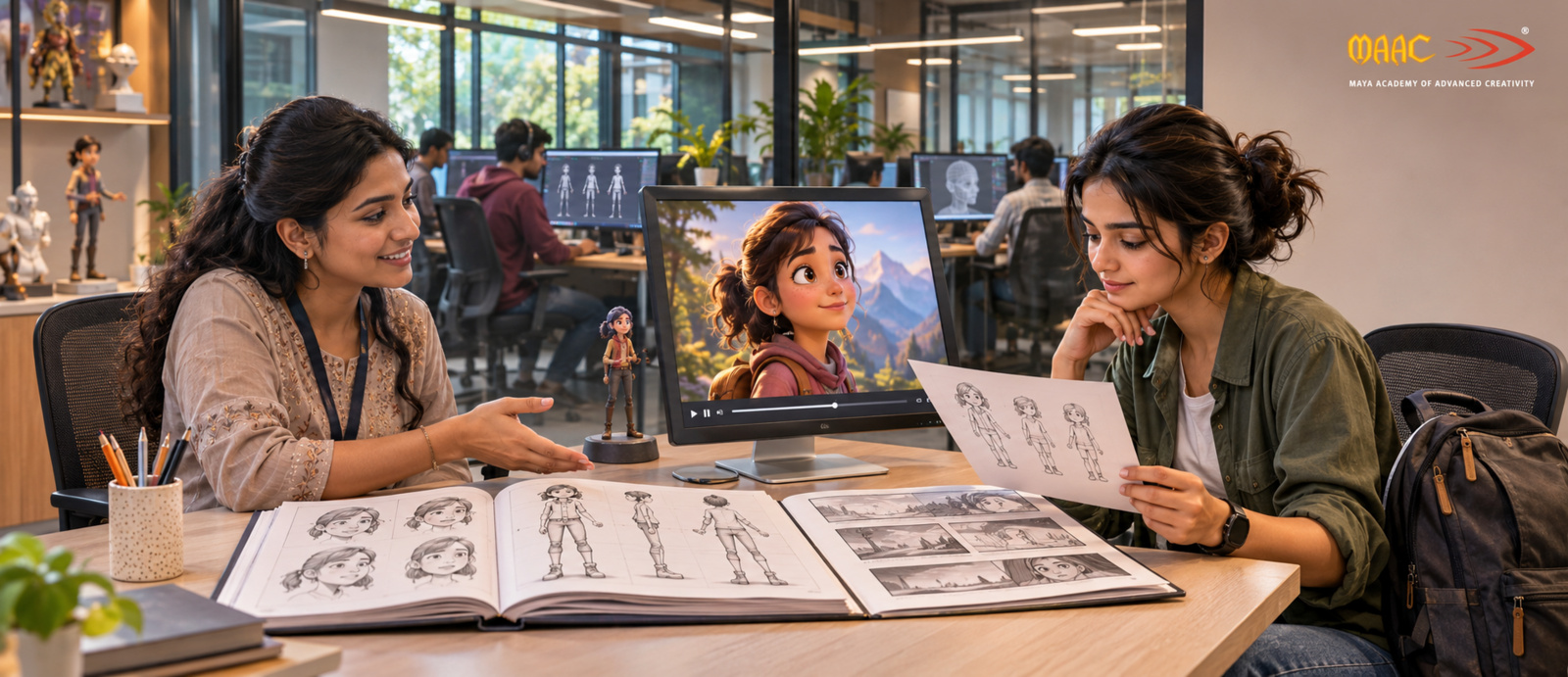
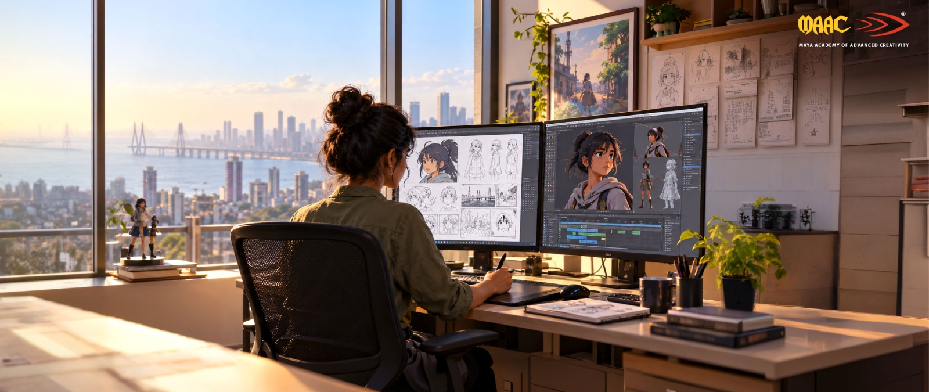
Two dimensional animation gets treated as the easier entry point into this industry fairly often, and while it is a reasonable place to start, calling it simple really undersells what goes into it. A solid 2D animation course takes students through drawing fundamentals, timing, spacing, and the twelve principles of animation that make a character actually feel alive instead of mechanical.
Students also pick up storyboarding, keyframing, in betweening, and how to work inside the kind of software pipelines studios actually use, rather than picking up habits that only make sense in isolation. This is usually where working animators first start thinking in frames instead of static images, understanding how one drawing changes meaning depending on what comes right before it and right after it. Anyone hoping to eventually work on anime style content, whether for Indian studios or international ones, tends to build that instinct right here first.
What a 3D animation program builds on top of that
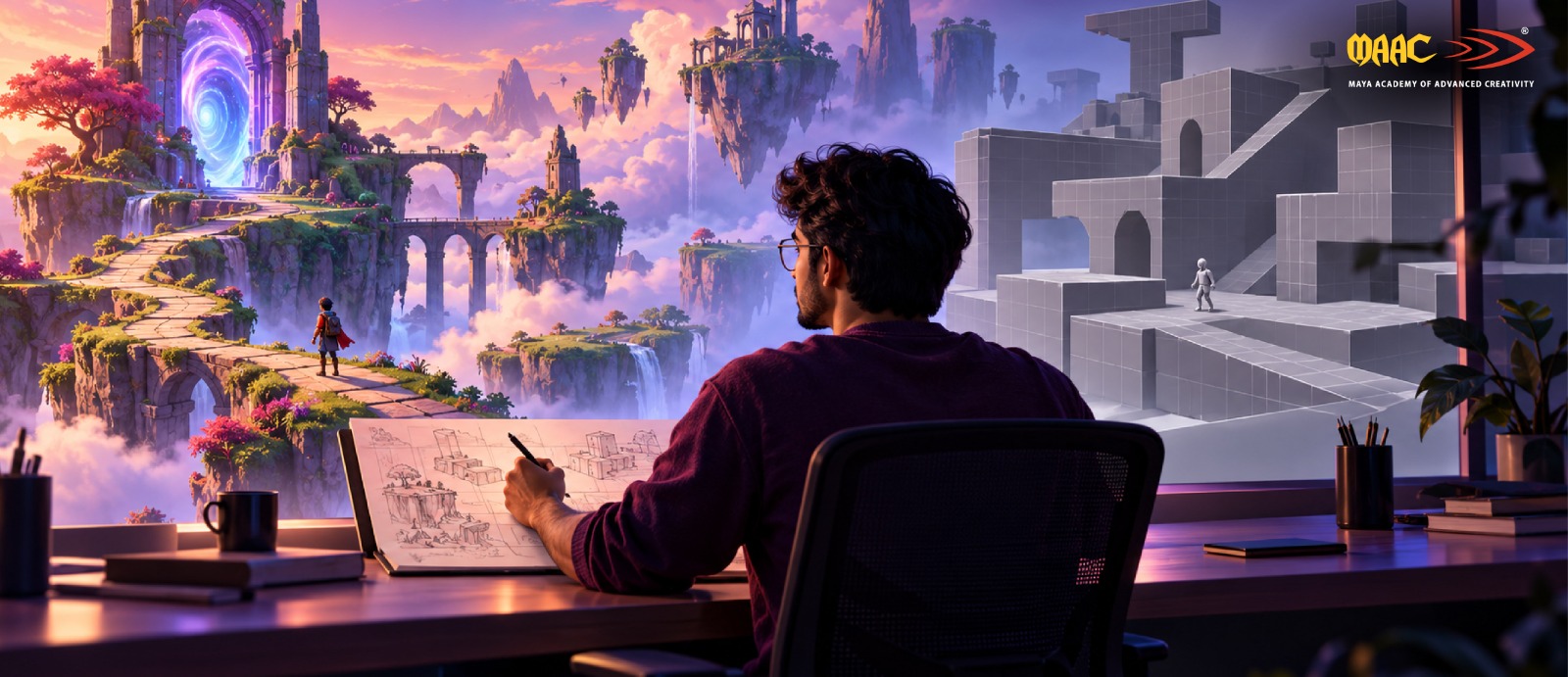
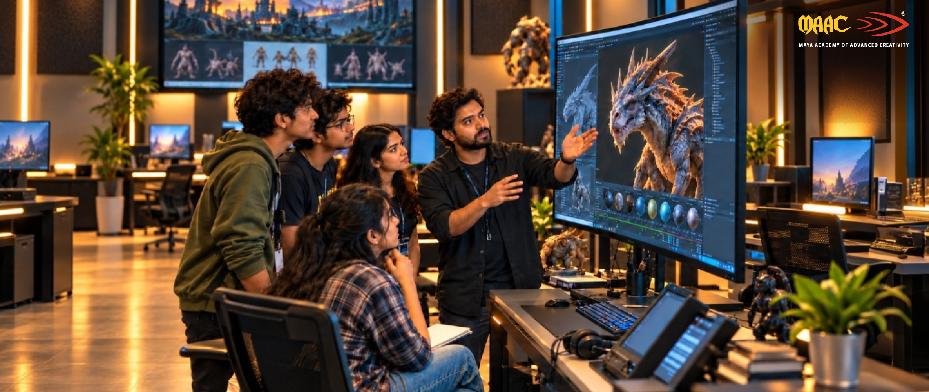
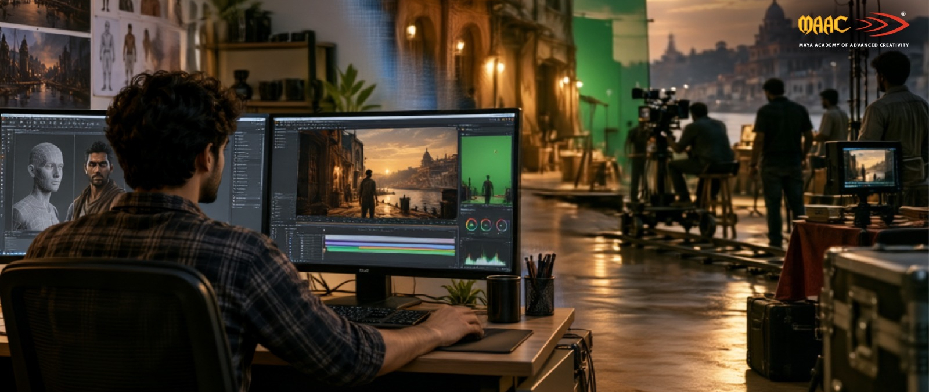
Three dimensional work asks for a pretty different kind of thinking altogether. A 3D animation program still leans on the same core understanding of movement and timing that a 2D animation course builds, but it layers on modelling, rigging, texturing and lighting inside an entirely digital environment, plus rendering considerations that just do not exist in hand drawn work.
Students go from drawing a character to actually building one, giving it a skeleton it can move through, then animating that movement so it looks believable in three dimensional space. Given how much of India's growing animation and VFX output now leans on 3D pipelines, particularly for game design and visual effects work, a 3D animation program can open up additional studios and project types beyond what 2D training alone tends to cover.
Where an animation and multimedia course fits into the picture
Not everyone coming into this industry ends up locking into a single discipline, and that is exactly where a broader course in this space earns its place. Instead of treating animation, design, video and digital content as separate boxes, it pulls them together, closer to how real production teams actually work day to day.
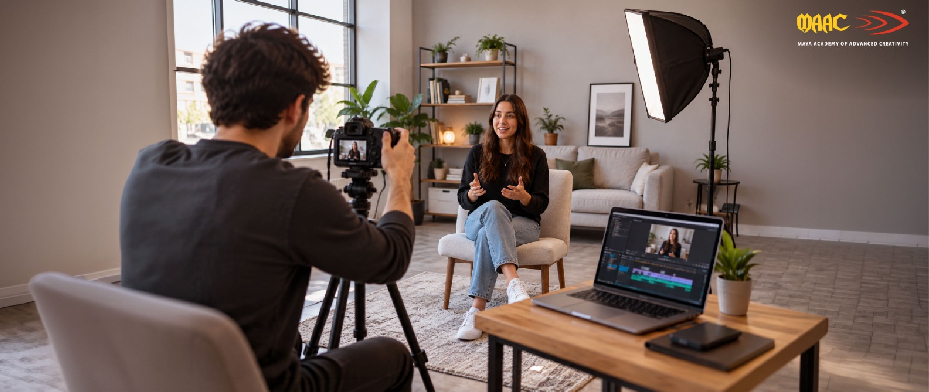
Students working through it get exposure to graphic design, motion graphics, basic video production and digital content creation alongside their core animation training. For someone still figuring out whether they want to specialise in 2D, move toward 3D, or just stay flexible for a while, this kind of broader grounding offers a wider lens before narrowing down, which matters more than people expect when an entire industry is still this actively changing shape.
Bringing it all together
A 2D animator who understands 3D pipelines tends to work better inside a modern studio. Someone coming out of a 3D animation program with some exposure to broader multimedia work often adapts faster across different kinds of projects. Events like Anime India make that overlap visible in a way a classroom on its own cannot, giving students a clearer sense of the ecosystem they are training to step into, one built on fandom, craft, and a growing amount of industry investment.
For anyone seriously thinking about a career built around anime, animation or digital content, structured training remains one of the more dependable ways in. Whether that starts with a 2D animation course, a 3D animation program, or a wider animation and multimedia course, the goal stays the same, turning genuine interest into a skill set that studios and employers can actually count on.
Frequently asked questions
- Do I need drawing experience before joining a 2D animation course?
Ans - Not really. A 2D animation course is built to teach drawing fundamentals, timing and animation principles right from the ground up, so most students start without much of a drawing background and build it through consistent practice as training goes on.
- What is the real difference between a 2D animation course and a 3D animation program?
Ans - A 2D animation course focuses on hand drawn or frame based movement, timing and traditional animation principles. A 3D animation program carries that same understanding of movement into a digital environment, adding in modelling, rigging, texturing and rendering that 2D work simply does not call for.
- Is an animation and multimedia course better than specialising early?
Ans - Honestly, it depends on the student. A broader course suits anyone who wants exposure across animation, design and digital content before picking a lane, while someone already set on 2D or 3D work might prefer going straight into a focused course instead.
- How does an event like Anime India connect to actually building an animation career?
Ans - Events like this put students in direct contact with working professionals and studio partners, giving them a practical sense of how the industry actually operates rather than just how it looks from the outside. That kind of exposure helps students judge more concretely whether a 2D animation course or 3D animation program fits what they want to do.
- What kind of career options open up after these courses?
Ans - Graduates commonly find opportunities in 2D and 3D animation, VFX, game design, motion graphics and digital content, and increasingly in anime adjacent production work as India's industry keeps growing.
- Can someone interested in anime specifically build a career through these courses?
Ans - Yes. These courses are not anime specific by name, but the same skills a 2D animation course and 3D animation program teach, timing, movement, character work and pipeline knowledge, transfer directly to anime style production, and studios in this space are actively looking for exactly that kind of training.