
In the world of cinema and digital media, advanced visual effects are changing how stories are created and experienced. Animation and VFX are no longer limited to post-production work done months after a shoot. Today, filmmakers are using real-time technology on set through large LED screens that display virtual environments. This shift is transforming how films, series and ads are made. For students exploring visual effects programs and planning to build a career in the field, this change opens new creative and technical opportunities that were not possible before.
The shift from green screens to real-time sets
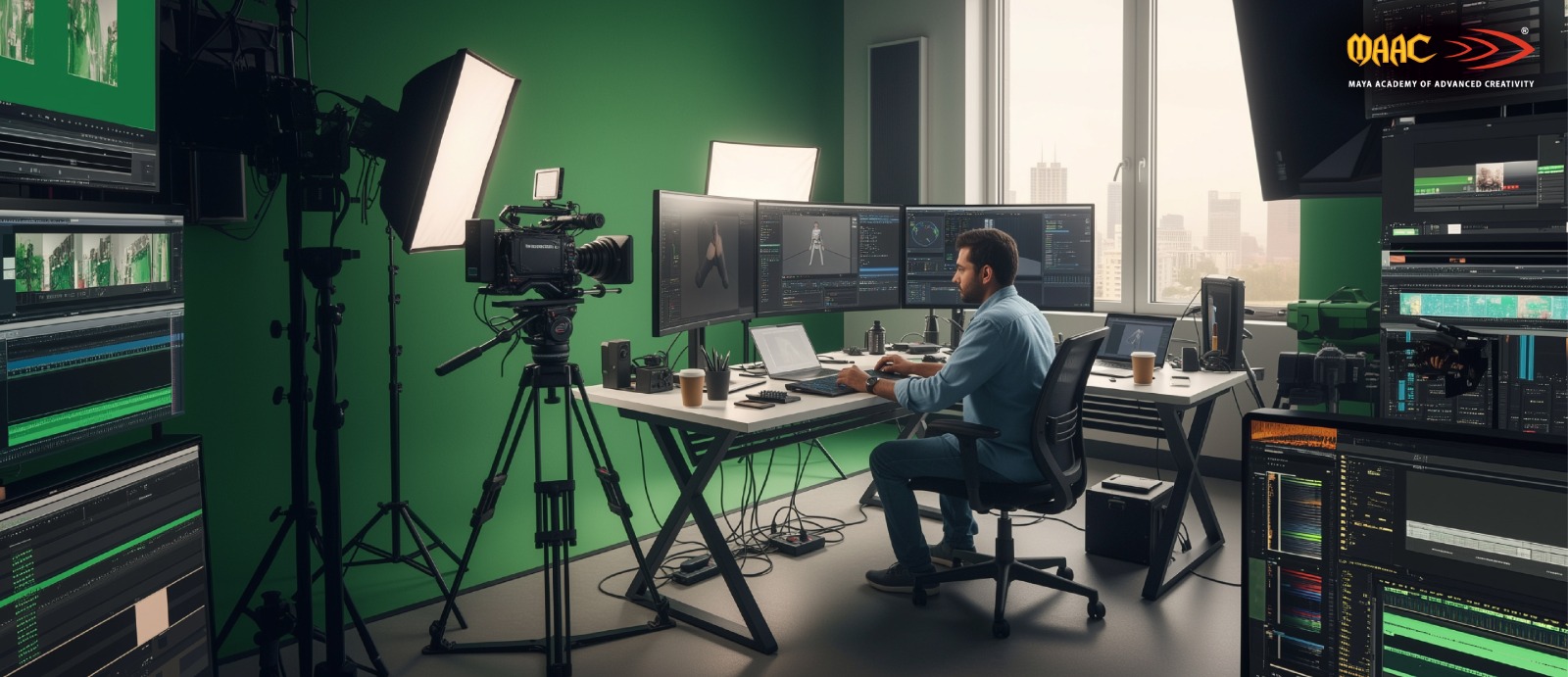
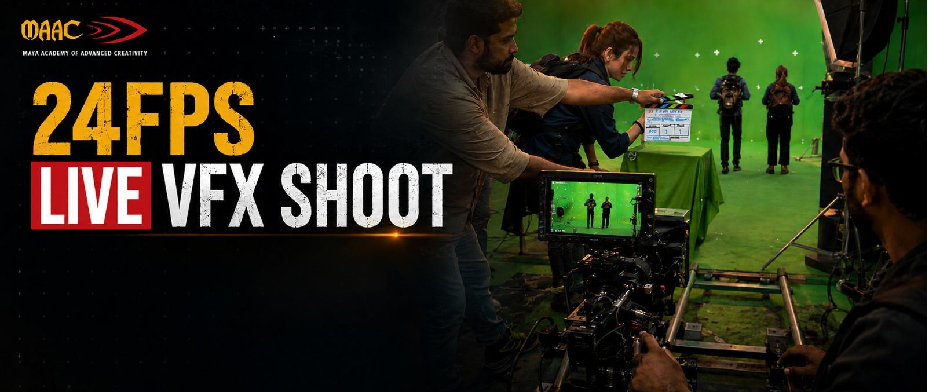
For many years, green screens were the standard tool in filmmaking. Actors performed in front of plain backgrounds, and environments were added later. While this method worked, it often made performances harder and required long post-production timelines. Real-time LED volumes change this process. Actors can see the environment around them while performing. Directors can frame shots with the final background already visible.
This approach brings filmmaking and technology closer. It saves time in post-production and helps teams make creative decisions earlier. For students entering a filmmaking course, understanding this shift is important because it shows how the industry is evolving from traditional setups to more integrated workflows.
How advanced visual effects are changing filmmaking
Advanced visual effects now play a role from the very first day of a shoot. Virtual sets are designed before the cameras roll. Lighting on actors matches the digital background in real time. This makes scenes look more natural and believable.
This also changes how teams work together. Visual artists collaborate closely with directors, cinematographers and production designers. The line between production and post production is becoming thinner. For anyone interested in filmmaking, this means that learning visual effects is no longer optional. It is becoming a core part of modern storytelling.
What animation and VFX mean in the real-time era
Animation and VFX are moving from offline creation to real-time rendering. Artists now build environments, creatures and effects that can be viewed instantly on set. This allows quick changes and faster feedback. Creative decisions that once took days can now happen in minutes.
For students, this means the skills they learn must match this pace. An animation and VFX course today needs to teach not just software but also how real-time pipelines work. Understanding how scenes are built, lit and adjusted live is becoming a valuable skill across studios and production houses.
Learning pathways through visual effects programs
Visual effects programs are adapting to include real-time tools and workflows. Students learn how to create digital environments, integrate live action footage and manage virtual cameras. This kind of training prepares them for the demands of modern sets.
Strong visual effects programs also focus on fundamentals. Composition, lighting and storytelling still matter. Technology changes, but the basics of good visuals remain the same. When students master both creative thinking and technical execution, they become more adaptable in a fast-changing industry.
Choosing the right visual effects course and animation and VFX course
A good visual effects course should offer hands-on practice and exposure to current industry tools. The same applies to an animation and VFX course. Students should be able to work on projects that simulate real production scenarios. This helps them understand how different roles come together in a real-time workflow.
The right course also helps students build a strong portfolio. Employers look for proof of skills, not just certificates. Practical assignments, team projects and guided mentorship play a big role in shaping industry-ready professionals.
Building a career in visual effects with practical training
A career in visual effects today is broader than ever. Artists can work on films, series, ads, games and immersive experiences. Real-time production skills add another layer of opportunity. Professionals who understand both traditional workflows and real-time pipelines are in high demand.
This is where choosing the right advanced VFX course makes a difference. Such training helps students move beyond basics and work on complex projects. It prepares them for studio environments where speed, collaboration and quality all matter.
The growing role of animation filmmaking in modern cinema
Animation filmmaking is also benefiting from real-time tools. Previsualization, virtual camera work and live previews help directors plan scenes better. This makes the creative process more fluid and interactive.
Students who pursue animation filmmaking as a path can gain an edge by learning how animation blends with live action through visual effects. A strong film and animation course can help them understand this blend and prepare them for cross-disciplinary roles.
How MAAC prepares you for the future of real-time production
MAAC focuses on building industry-relevant skills through structured learning and practical exposure. Its visual effects programs and film-making course options are designed to align with current studio practices. Students get to work on projects that mirror real production challenges.
By combining creative training with technical learning, MAAC helps students understand how advanced visual effects fit into the larger film and animation process. This kind of preparation is useful for those who want to stay relevant as tools and workflows continue to evolve.
Conclusion and next steps
The move from green screens to LED volumes shows how fast advanced visual effects are reshaping the way stories are made. Animation and VFX are now part of real-time production and not just post production. For students who want to build a career in visual effects, this is the right moment to learn the skills that studios now expect. Choosing the right visual effects course or filmmaking course can shape your future in a meaningful way. If you are serious about working in film, animation and digital media, explore the programs at MAAC and take the first step toward a creative career built for the future.


26 January 2026
From Green Screens to LED Volumes: How Advanced Visual Effects are Moving to Real Time
Recent Posts
How to Build a Career in Anime: Exploring 2D and 3D Animation Opportunities in India
Beyond the Classroom: How Studio Visits Give Animation and VFX Students Real World Industry Exposure
How VFX Transformed Indian Cinema: The Rise of Visual Storytelling on the Big Screen
Essential Tools for Digital Creators: How a Digital Content Creation Course Prepares You for Real World Production
From MAAC Classroom to Mirzapur: How Animation and VFX Training Can Lead to Successful Careers in Film and OTT
A Parent’s Guide to VFX Careers: How MAAC India Helps Students Prepare for Careers in Top Media Studios
From Sketchpad to the Silver Screen: What You Learn in a 3D Animation Film Making Course
Behind the Scenes of the 24FPS VFX Shoot: Where Creativity Meets Industry Practice
Your Future Starts Here!
Discover a wide range of programs designed to empower your future. Whether you're starting your academic journey or advancing your career, our courses are tailored to help you succeed in today’s competitive world.
Start Your MAAC Journey
Reach out to us today and take the first step toward your creative journey with MAAC.

Ask Me