
Visual storytelling is entering a new era with animation and VFX. Virtual production is transforming animation and VFX from post-production–driven processes into real-time, collaborative workflows with visual effects course. For today’s creators, understanding these techniques is no longer optional, it is fundamental to working on modern productions.
For anyone planning a career in visual effects, this shift matters. A modern VFX professional is expected to understand how visuals are created, not just in post-production but also during filming. That is why today, a strong VFX course, an animation and VFX course, or a full film and animation course must include virtual production as a core skill.
1. Real-time environments on set
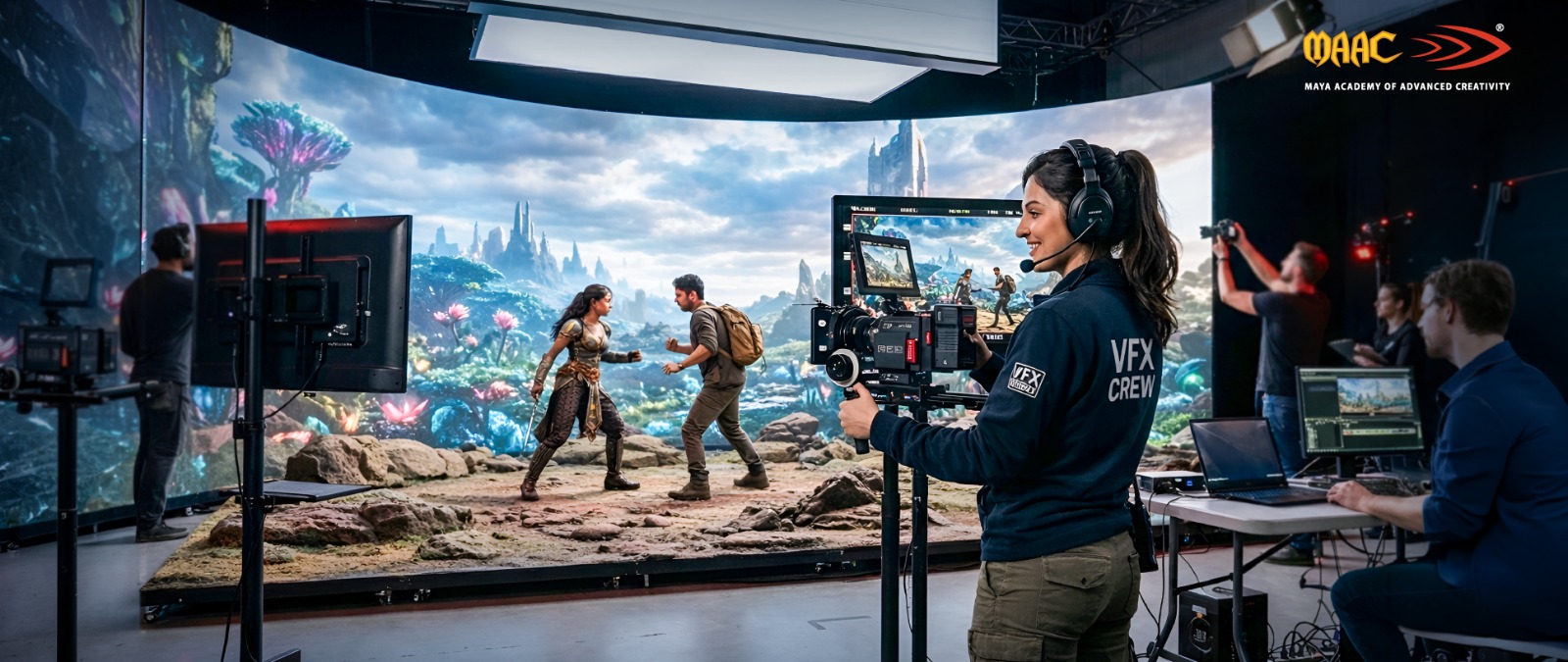
One of the biggest breakthroughs in virtual production is the use of real-time environments during filming. Instead of actors performing in front of empty green screens, digital worlds are displayed instantly on large screens or monitors.
This allows directors, cinematographers, and VFX teams to see the final look while shooting. Lighting, reflections, and camera angles feel more natural because everyone reacts to the environment in real time.
In a professional visual effects course, students learn how these environments are built, adjusted, and optimised. This technique reduces guesswork later and gives VFX artists more creative control from day one.
2. Camera tracking and live compositing
Camera tracking is what connects physical movement with digital visuals. In virtual production, cameras are tracked live so that the background visuals move perfectly with the lens.
This is where live compositing comes into play. Instead of waiting for post-production, rough composites are created instantly on set. Directors can see how characters, environments, and effects come together before the shoot ends.
For students taking a VFX compositing course, this technique builds a strong foundation. It shows how compositing is no longer just a post-production task but a real-time collaboration between departments.
3. LED volumes and digital backdrops
LED volumes have completely changed how large-scale scenes are filmed. These massive LED walls display high-resolution digital backgrounds that react to camera movement and lighting.
Unlike green screens, LED volumes provide realistic light spill on actors and props. This makes scenes feel grounded and reduces heavy correction work later.
An advanced VFX course introduces students to the technical and creative sides of this setup. Understanding how digital backdrops are designed, rendered, and synced with cameras is now a valuable industry skill.
4. Virtual cinematography for film and animation
Virtual production has opened new possibilities for cinematography. Directors and artists can scout locations digitally, plan shots in virtual space, and even move cameras in impossible ways.
For those interested in animation filmmaking, this technique is powerful. Entire scenes can be blocked, framed, and tested before a single physical shoot begins. This saves time and money while improving storytelling.
A strong animation and VFX course or film and animation course teaches students how virtual cameras behave just like real ones. That understanding bridges the gap between animation and live-action filmmaking.
5. Previsualisation that saves time and money
Previsualisation is not new, but virtual production has taken it to another level. Scenes are now planned in detail using real-time tools long before filming starts.
Action sequences, complex VFX shots, and camera movements are tested virtually. This helps teams avoid costly mistakes on set.
In a well-structured VFX course, students learn previs as a creative planning tool, not just a technical step. This skill is especially valuable for anyone aiming to become a confident VFX professional in a competitive industry.
What does this mean for your career in visual effects?
Virtual production is reshaping how stories are told. Studios want artists who understand the entire pipeline, from planning to execution. A strong career in visual effects today depends on how well you adapt to these new workflows.
At MAAC, virtual production concepts are aligned with industry needs through specialised visual effects course options, hands-on VFX compositing course training, and advanced modules within an advanced VFX course. Combined with learning pathways in animation and VFX, students gain the skills studios actively look for.
Beyond the screen is where the future lies. And for artists trained through the right animation and VFX course or film and animation course, that future is already within reach.


12 January 2026
Beyond the Screen: Top 5 Virtual Production Techniques Every VFX Artist Must Know
Recent Posts
How to Build a Career in Anime: Exploring 2D and 3D Animation Opportunities in India
Beyond the Classroom: How Studio Visits Give Animation and VFX Students Real World Industry Exposure
How VFX Transformed Indian Cinema: The Rise of Visual Storytelling on the Big Screen
Essential Tools for Digital Creators: How a Digital Content Creation Course Prepares You for Real World Production
From MAAC Classroom to Mirzapur: How Animation and VFX Training Can Lead to Successful Careers in Film and OTT
A Parent’s Guide to VFX Careers: How MAAC India Helps Students Prepare for Careers in Top Media Studios
From Sketchpad to the Silver Screen: What You Learn in a 3D Animation Film Making Course
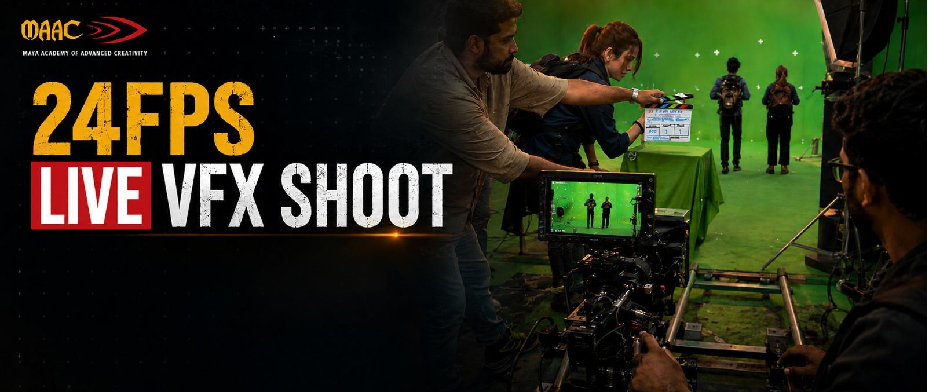
Behind the Scenes of the 24FPS VFX Shoot: Where Creativity Meets Industry Practice
Your Future Starts Here!
Discover a wide range of programs designed to empower your future. Whether you're starting your academic journey or advancing your career, our courses are tailored to help you succeed in today’s competitive world.
Start Your MAAC Journey
Reach out to us today and take the first step toward your creative journey with MAAC.

Ask Me