

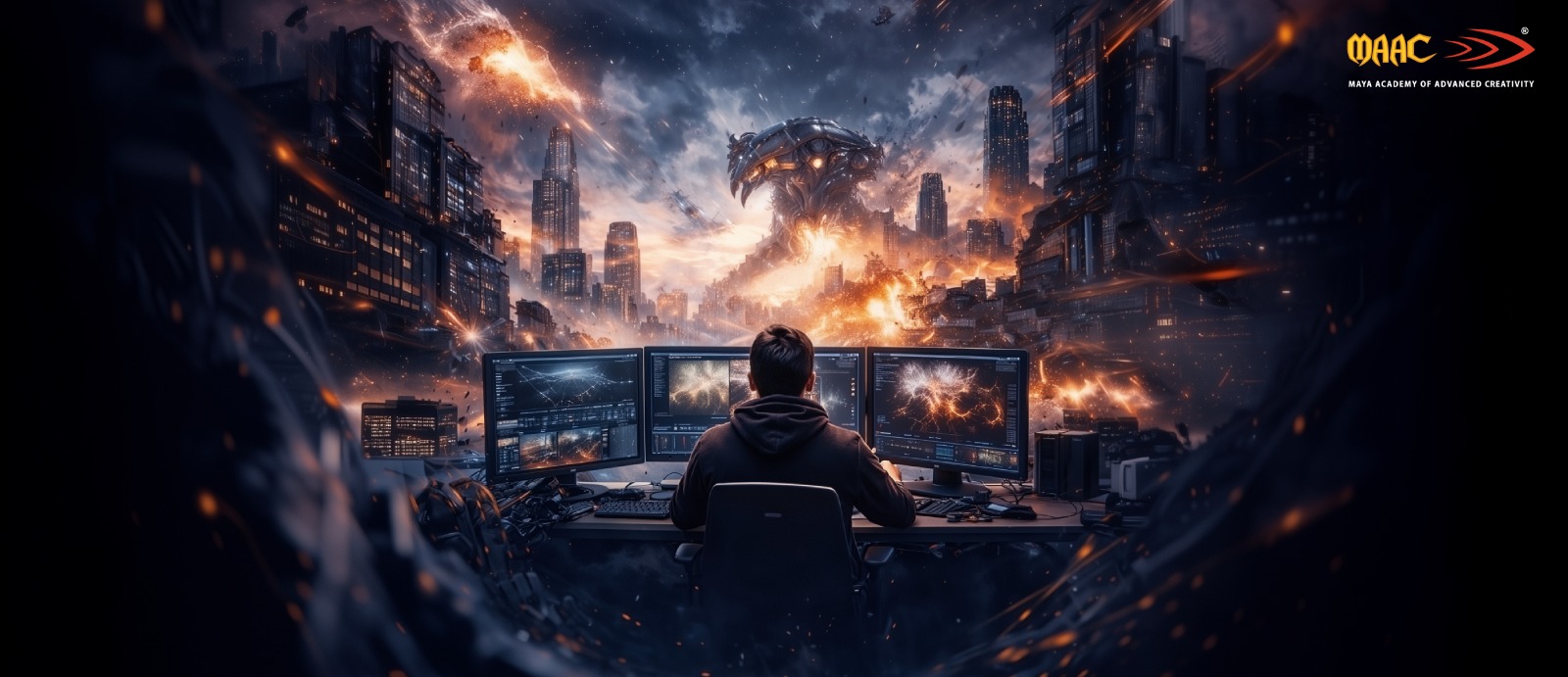
Visual effects are now at the centre of modern filmmaking. From action sequences to subtle background enhancements, VFX helps create scenes that would otherwise be impossible to capture. Because of this, many students interested in filmmaking are now exploring a visual effects course that teaches them how the real industry works. Learning the basics is important, but working on professional projects requires deeper technical understanding and practical exposure. This is where an advanced VFX course becomes valuable.
A beginner-level program usually introduces software, tools, and the basic principles of digital visuals. An advanced VFX course goes much further. It focuses on the workflows used in real studios and production pipelines. Students learn how different departments collaborate and how VFX artists fit into the larger filmmaking process. This includes asset preparation, scene integration, lighting balance, and final output that matches the director’s vision.
One of the most important skills developed in such programs is VFX compositing. Compositing is the stage where different visual layers come together to create a final, believable image. A VFX artist might combine live action footage, digital environments, visual effects elements, and colour corrections into one seamless shot. Good VFX compositing is what makes audiences forget that a scene was digitally created. The goal is not to show the effect, but to make the effect feel natural within the film.
An advanced compositing course trains students to work with complex shots that involve multiple layers, lighting adjustments, rotoscoping, keying, and tracking. Students also learn how to handle large projects where hundreds of shots must follow a consistent visual style. This type of experience is essential for anyone who wants to work in film, streaming series, advertising, or high-end digital content.
Beyond technical knowledge, an advanced VFX course also teaches workflow discipline. In the real industry, artists rarely work alone. Shots move between teams, supervisors review every stage, and deadlines are strict. Understanding file management, version control, and collaboration becomes just as important as artistic skill. These habits prepare students for professional environments where efficiency and accuracy matter every day.
For anyone planning a career in visual effects, advanced training helps bridge the gap between classroom learning and studio work. It gives students the confidence to handle complex projects and adapt to different production requirements. The film industry continues to expand its use of digital visuals, which means skilled VFX artists are always in demand.
At MAAC, structured programs are designed to reflect these real production practices. Through a specialised visual effects course, students are introduced to industry tools and workflows step by step. Those who want to take their abilities further can progress into an advanced compositing course and develop strong expertise in VFX compositing. With the right training and consistent practice, students can move closer to building a rewarding career in visual effects and contributing to the films and digital stories audiences enjoy around the world.