

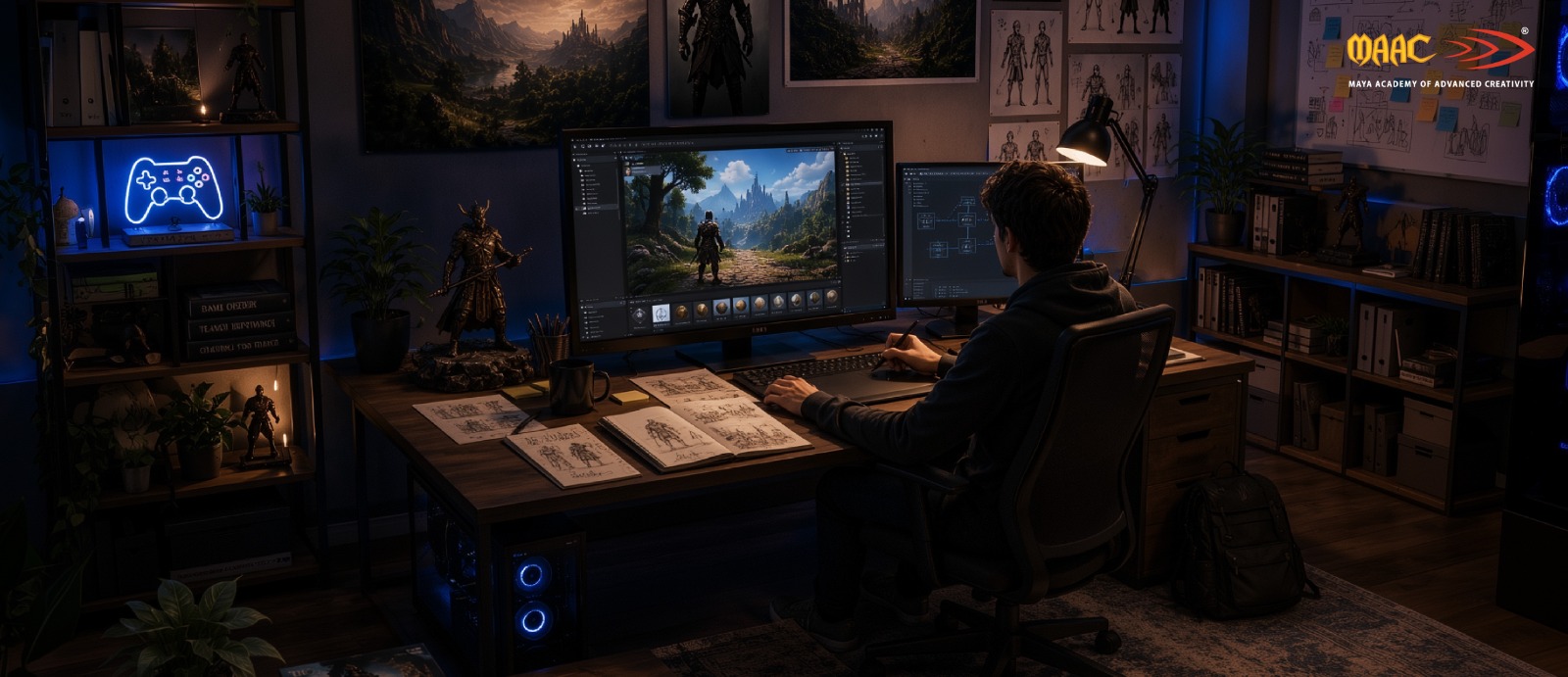
The gaming industry is thriving. In 2026 it's a billion-dollar entertainment experience. If you choose to build a career in this sector you get to design virtual worlds, create cinematic stories, build character arcs and shape the future of digital media.
If you are passionate about games, it can become your biggest career advantage.
1. The first step
2. Building a future proof career
3. Exploring a professional course
4. Building technical skills
5. Career Paths
1. The first step
Do you love gaming? That is already your starting point. The best game design professionals are usually people who genuinely love games. They understand what makes gameplay exciting, environments immersive, and characters memorable.
Gaming today is also incredibly diverse. Some players love action games, others enjoy strategy, sport stimulation or open-world adventures. This diversity creates opportunities for different kinds of creators with different creative strengths.
If you notice hidden details, character aesthetics, level designs, you already have the mindset the industry values.
One of the biggest misconceptions around game design is that only hardcore programmers can enter the field.
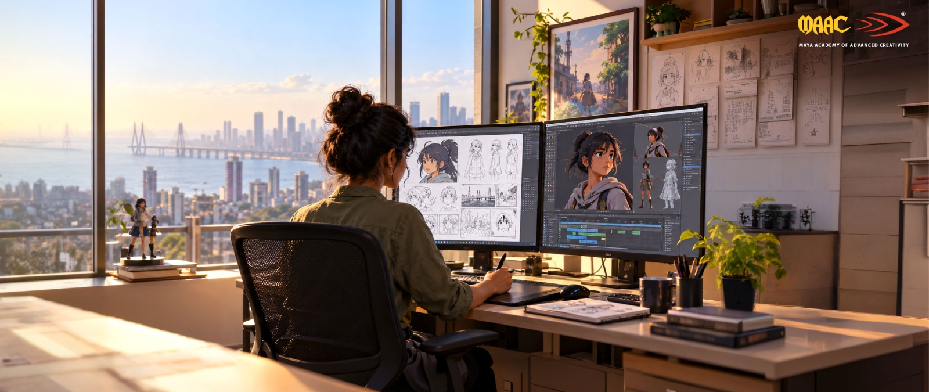
Modern game development depends on creative teams made up of modelers, animators, environment artists, UI designers, technical artists, and level designers. Many professionals enter the industry through creativity first, not coding.
That is why professional game design courses matter. It guides students through industry workflows and helps them build technical confidence step-by step.
As entertainment becomes more immersive and interactive, companies need professionals who understand the core principles of world building.
That makes game animation courses, 3D game design courses, and advanced game design programs valuable long-term investments.
2. Building a future proof career
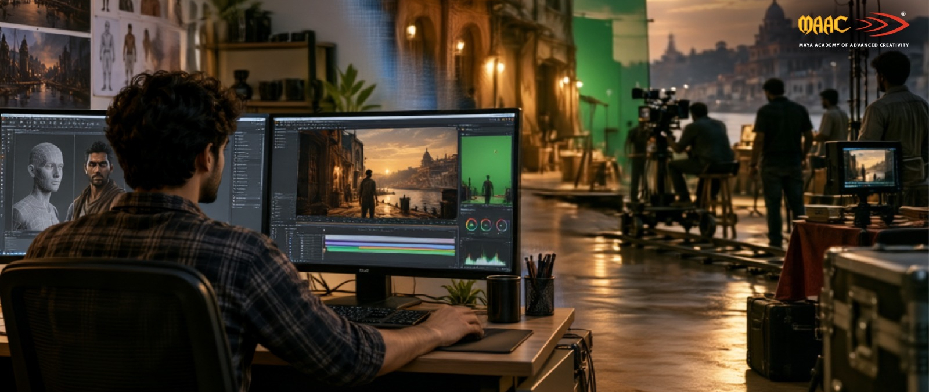
Game design courses are the most future-proof creative industries. Game design is not just limited to consoles and PCs. The same real-time 3D technology used in games is now being used in films, architecture, stimulations, advertising, AR/VR and even metaverse.
Gaming is no longer “just a hobby”. It is one of the fastest-growing creative industries in the world and it's looking for artists, designers, storytellers, animators who understand what the gaming culture actually is.
With the rise of esports, mobile gaming, metaverse experiences, and real-time 3D technology, game design courses are becoming one of the smartest creative career moves students can make today.
3. Exploring a professional course
For students serious about entering the gaming industry, MAAC (Maya Academy of Advanced Creativity) offers specialised programs around the actual production pipelines used in the industry.
Our advanced program in Game Design and Integration (APGDI) is focused on game art fundamentals, mobile and PC/console workflows, and engine integration.
We also have courses that teach you how to design and monetize mobile games using Unity and Unreal Engines.
We offer many other specialised courses that teach you skills modern game studios value.
4. Building Technical Skills
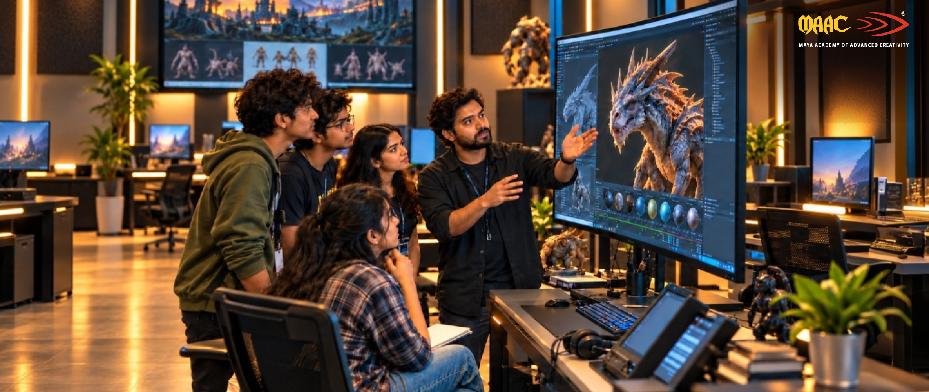
A major advantage of joining professional game design courses is access to industry-standard tools.
At MAAC, students master softwares like Unity, Unreal Engine, Autodesk Maya, Autodesk 3ds Max, Zbrush, Quixel Mixer, Adobe creative cloud and more.
These tools are used across all creative media industries. Learning them during training helps students build portfolios that match industry expectations instead of learning outdated workflows.
5. Career Paths
The gaming industry has a lot of diverse career paths you can explore.
After completing a 3D game design course or game animation course, students can pursue roles like
- Game Asset Development Artist
- Game Level Designer
- Game UI/UX Designer
- Character Modeler
- Technical Artist
Flexibility is one of the biggest advantages of the gaming industry.There is room for different creative personalities and skill sets.
You can work in a field you are genuinely passionate about if you choose to train right.
A strong game design course gives students structure, mentorship, technical exposure, portfolio development, and industry-ready skills that can help them stand out in a highly competitive space.
MAAC helps students transform gaming passion into professional capabilities through specialised learning.
We prepare you for the future of digital media.
FAQs
1. Do I need coding knowledge to join a game design course?
No. MAAC’s game design programs are designed for beginners and teach students the technical workflow step by step.
2. What software will I learn during a 3D game design course?
You will learn tools like Unity, Unreal Engine, Autodesk Maya, 3ds Max, Z brush, Substance 3D painter, photoshop and Illustrator.
3. Is Game design a stable career in 2026?
Yes, Gaming, real-time 3D, and immersive digital experiences are growing industries with increasing demand for creative professionals.
4. What careers can I pursue after completing advanced game design training?
With the right education, you can pursue any field you are passionate about. Some paths are Game Asset Artists, Level Designers, Character Modelers, UI/UX Designers, and Technical Artists.
5. Why should students choose MAAC for game design training?
MAAC offers industry-focused programs, real-time workflows, practical software training, and specialized learning paths aligned with modern gaming careers.