

Every brand has a story, but not every brand knows how to tell it well. That is where a strong video production course makes all the difference. In a world shaped by reels, ads, short films, and live streams, knowing how to plan, shoot, and edit meaningful content is no longer optional. It is essential. Whether someone wants to work in marketing, cinema, or television, learning the craft through structured media and broadcasting courses or even a focused broadcast design course builds the right foundation. Add to that the creative edge of digital media design courses, and you have a complete toolkit for modern storytelling.
- Why a Video Production Course Matters Today
Let’s break it down. Video is everywhere. From product launches to documentaries, from Instagram campaigns to OTT shows, audiences connect faster with visuals than with plain text. A well-planned video can inform, persuade, and move people in seconds.
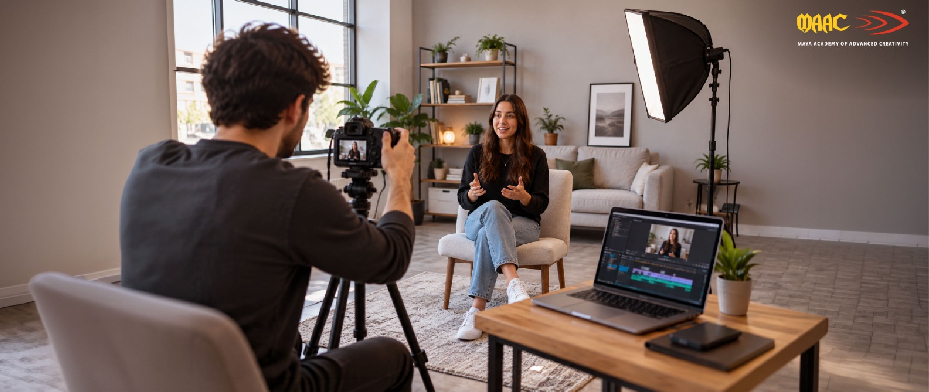
A good video production course teaches more than camera handling. It covers scripting, framing, lighting, sound, editing, and most importantly, storytelling. Students learn how to think visually. They understand pacing, emotion, and audience attention. This is what turns random clips into a compelling narrative.
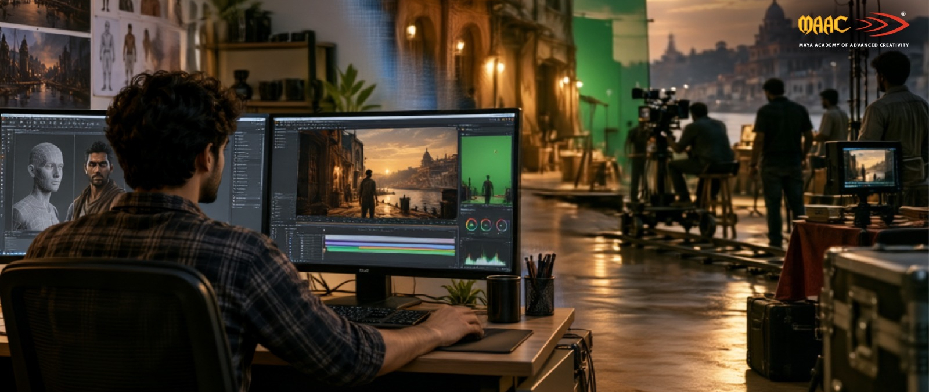
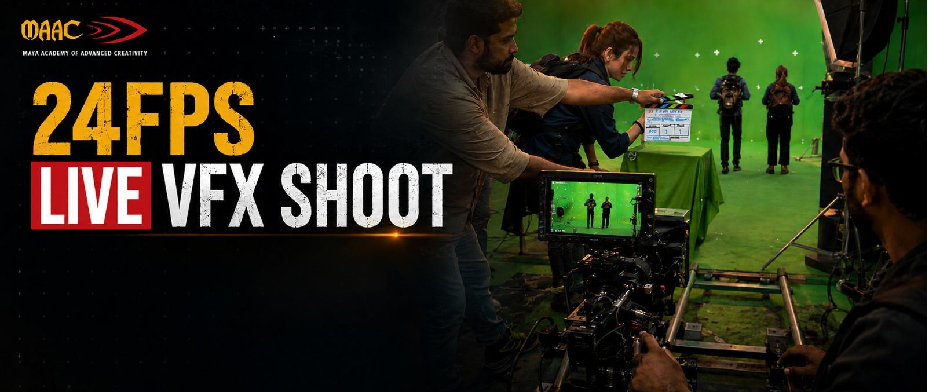
At MAAC, the focus is on hands-on learning. Students work on real projects, not just classroom theory. They make short films, ads, and branded content that reflect industry standards. That experience builds both skill and confidence.
- Broadcast Design Course and the Power of Visual Identity
Television channels, streaming platforms, and news networks all rely on strong visual identity. This is where a broadcast design course comes in. It teaches students how to create channel graphics, motion packages, show intros, and on-screen branding.
Broadcast design blends creativity with strategy. Every color, animation, and transition has a purpose. When done right, it shapes how viewers remember a show or a network. For students who enjoy motion graphics and branding, this path opens doors to exciting roles in media houses and production studios.
- Media and Broadcasting Courses for a Wider Career Scope
If someone wants to understand the bigger picture of how content reaches audiences, media and broadcasting courses offer that clarity. These courses explore production workflows, studio operations, live broadcasting, and content distribution.
Students learn how different teams collaborate, from scriptwriters to editors to producers. This knowledge is crucial for anyone aiming to build a long-term career in television, digital media, or film production.
- Digital Media Design Courses and the Future of Content
The future is digital. Social platforms, OTT apps, and online campaigns demand fresh, visually rich content every day. Digital media design courses train students in motion graphics, visual communication, and interactive design.
When combined with video production skills, this knowledge becomes powerful. A creator who understands both storytelling and design can handle end-to-end content creation.
What this really means is simple. If you want to tell stories that people remember, influence buying decisions, or shape media experiences, structured training matters. The right course does not just teach tools. It teaches you how to think, create, and communicate with clarity. And in today’s world, that skill is priceless.