

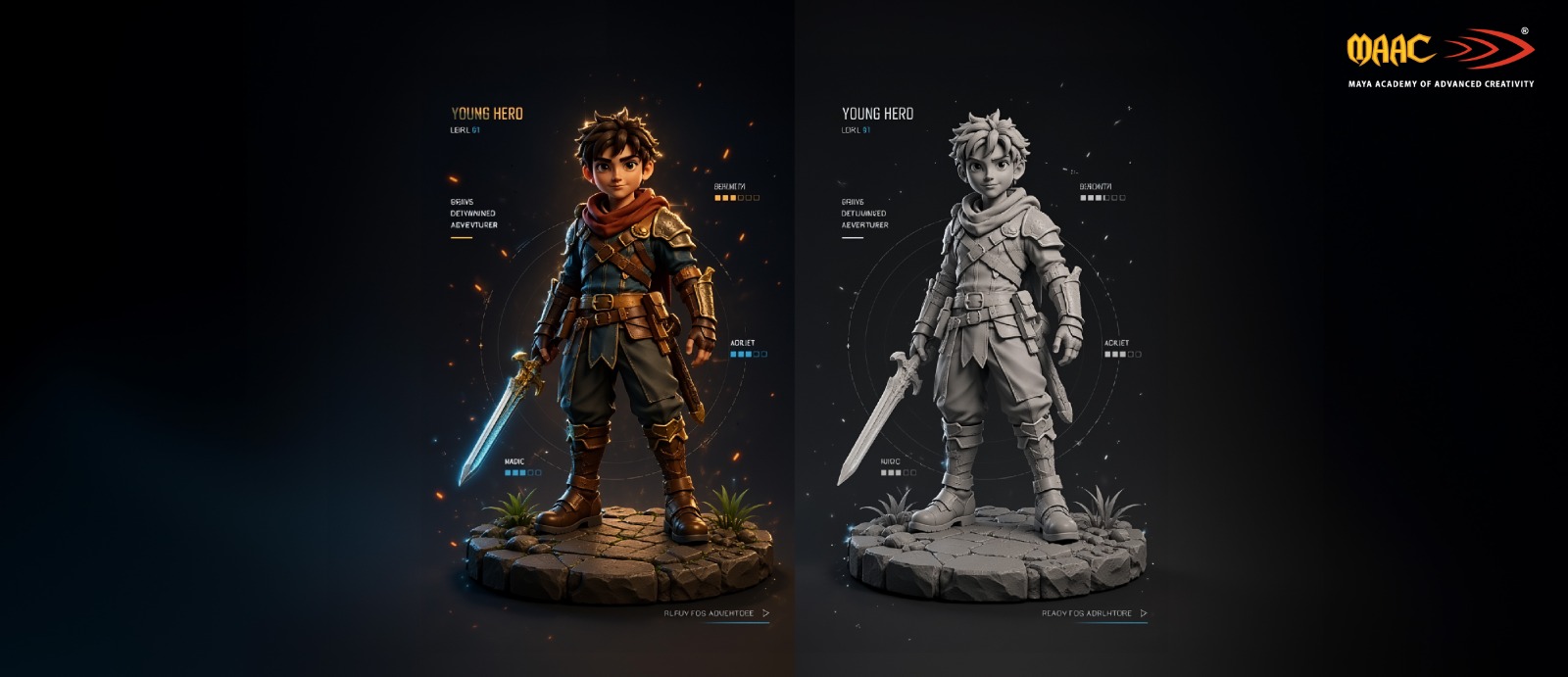
2026 is a turning point for creative careers in digital media and design. With AI stepping into the workflow, the way artists create, design and animate is evolving faster than ever.
There are new doors opening. Whether you're just starting out or looking to grow, this blog will guide you through the essential skills, must-know tools, and diverse paths you can take in the motion graphics and animation industry today.
This is your roadmap for navigating the fast-changing tech driven creative world, without losing your unique voice along the way.
1. Skills you must have in your Animation Student Portfolio
2. Skill development Programs
3. Careers in Digital Media and Design
1. Skills you need to have to build a strong Animation Student Portfolio
Building a strong animation portfolio isn’t just about showing finished work, it’s about demonstrating how you solve visual problems. Studios in 2026 are looking for students who blend creativity with technical skill, especially those familiar with tools like Autodesk 3ds Max.
- Strong Understanding of Animation Principals
You need to know fundamentals like timing, spacing, anticipation, squash and stretch. Even a simple bouncing ball can reveal your grasp of core animation logic.
- 3D Modeling and Scene Building
Using tools like Autodesk 3ds Max, include examples of objects, environments, or props you’ve modeled. This showcases your technical precision.
- Texturing and Lighting
Demonstrate your ability to apply textures, materials, and lighting setups to create realistic or stylized visuals.
- Character Animation Basics
Even if you’re a beginner, include simple character movements such as walking, expressions, or gestures. This shows your ability to bring life and personality into your work.
- Motion Graphics and Visual Design
Studios value versatility. Add motion graphics projects that highlight typography, transitions, and composition skills alongside your animation work.
- Storytelling
Your portfolio should also showcase how you think and communicate ideas. Include short clips or projects with a clear narrative. Even a 10-second animation can tell a story.
- Software Proficiency
Your portfolio should reflect familiarity with multiple tools such as Blender, Autodesk 3D Max, and Adobe tools. Being adaptable across software makes you more industry-ready.
2. Skill development Programs
Upskilling sets you apart. The industry needs professionals who can adapt to new tools, workflows and expectations. Upskilled candidates are seen as job-ready creatives. They require less training, adapt faster to studios, and can contribute to real projects sooner.
Whether you’re aiming for a career in filmmaking, gaming, or digital content, when you invest in upskilling you are building a portfolio that the industry values.
Institutions like MAAC, Maya Academy of Advanced Creativity offer career-oriented programs designed to strengthen your technical portfolio across domains.
MAAC offers a wide range of career booster courses in all things digital. VFX, 3D Creation, Game Design, Animation, Motion Graphics, photography and more. We got you covered!
3. Careers in Digital Media and Design
- Animator
Animators bring characters, stories, and ideas to life. There are many opportunities in the fields across films, OTT platforms, gaming, and advertising.
- Motion Graphics Designer
This role focuses on creating engaging visuals for ads, social media, and digital platforms using tools like Adobe After Effects. It’s one of the most in-demand careers in content-driven industries.
- 3D Artist visualizer
3D artists create models, environments, and product visualizations using software like Autodesk 3ds Max. You can work in architecture, gaming, films, and product design.
- Game Designer
Game designers and artists build immersive gaming experiences. Using engines like Unity and Unreal Engine, you get to design characters, environments, and gameplay visuals.
- VFX Artist
VFX artists create visual effects for films, web series, and commercials.
- UI/UX Designer
Here you get to design user experiences for apps and websites. With motion becoming essential, skills in animation tools and platforms like Figma are highly valuable.
- Content Creator
You need to create visuals that drive engagement. This career blends creativity with strategy, using multiple tools across design, video, and animation.
Your hobbies, interests can also become something more if you are willing to put in the work. Investing in a course shows that you are serious to your employers and gives your portfolio a glow-up. A career course from MAAC can lay the foundation for your 40 year professional journey, that's why it’s important to get certified from the right place.
MAAC programs are designed to reflect real industry practices, helping you step into the industry with confidence.
FAQs
1. What skills are essential to build a strong animation portfolio in 2026?
A strong portfolio combines animation fundamentals like timing and storytelling with technical skills such as 3D modeling and motion design. You need to also showcase fundamentals like timing, spacing, anticipation, and stretch. Studios look for problem-solving ability, creativity, and versatility across different styles and formats.
2. Which tools should every motion graphics and animation student learn?
You need to master tools like Autodesk 3ds Max, Blender, and Adobe After Effects. Being adaptable across multiple platforms helps your portfolio stand out.
3. Why should I invest in a skill development program from MAAC ?
Our skill development programs provide hands-on training aligned with real industry workflows and expectations. They will make your portfolio stronger, increasing your value in the job market.
4. What career paths are available in motion graphics and animation today?
MAAC courses prepare you for in-demand job profiles like Animator, Motion Graphics Designer, VFX Artist, Game Designer and UI/UX Designer across industries. Opportunities span films, OTT platforms, gaming, advertising, and digital content creation.
5. How can students stay relevant in a fast-changing, AI-driven creative industry?
Continuous learning, upskilling, and staying updated with new tools and trends are essential.
Combining AI tools with your ideas helps you work smarter without losing your unique style.