
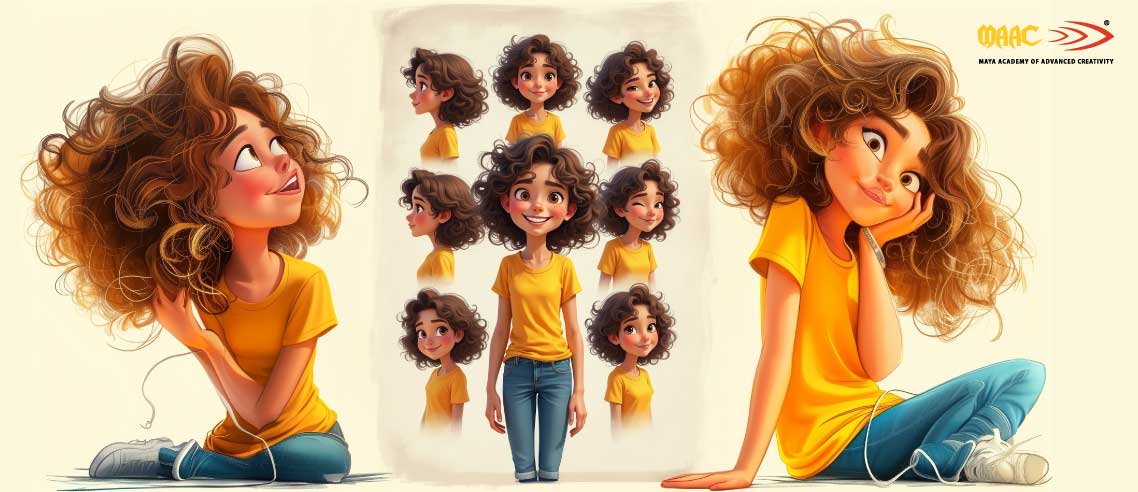
All great animations share one quality. Characters that are alive. Whether a human, an animal, or even a living object that speaks, the idea is to get the audience to forget that they are looking at drawings or computer models. That is where real animation magic starts. At MAAC, students master this art form through meticulous practice and observation, realising how minute decisions can make a simple drawing a real character.
Let's discuss some character animation tips that enable bringing that kind of realism to life.
Begin with observation
The greatest animators are also great observers. They observe how individuals move, respond, and show emotion. Realistic animation does not involve replicating life on screen. It consists of capturing its spirit. As you observe someone laughing, blinking, or shifting their weight when walking, you start to get a sense of rhythm, timing, and emotion. These little things are what connect animated characters.
Facial expressions bring it all together
One of the key things to learn in animation is how to properly utilise facial expressions in animation. A face speaks volumes before a word is uttered. How an eyebrow twitches, the edges of the mouth curve, or a pair of eyes widen can totally reverse the emotion of a scene.
At MAAC, students learn to exaggerate expressions slightly without losing believability. A smiling face shouldn't just smile; it should light up. A sad face must reflect in the posture and the eyes. These little things create an emotional connection with the viewer, and that is what makes average work memorable animation.
Natural movement
Another huge component of realism is the movement of the body. When characters are moving, their energy has to be in line with who they are. A nervous character could fidget or rush. A confident character could take slow, deliberate steps. All of the timing, spacing, and anticipation have a gigantic impact on making believable motion.
These character animation techniques are usually exercised via reference study. Students observe live-action clips, perform movements themselves, or learn from classic cartoons in order to see how professional animators use each frame effectively.
How to draw animals that look real
Animals are a challenge in and of themselves. You must know about anatomy, proportion, and movement patterns. To learn how to draw animals that actually look real, you need to watch how their muscles move, how the fur or feathers respond to motion, and how they show emotion through posture.
MAAC's curriculum provides students with the opportunity to animate realistic and stylised animals. From a lion who is sprinting to a cat who is stretching, animators learn to handle realism in proportion to creativity.
Creating realistic anime characters
When it comes to realistic anime characters, the secret is combining style with accuracy. Anime does have its own visual language, but the most effective characters still operate on the grounds of real movement and expression. Their eyes, movements, and timing convey emotional truth, even though they are stylised in design.
By observing these aspects, MAAC students are able to learn how to make animation live without compromise in its art style.
Good animation is more than being able to draw. It is learning to know life. The greatest animators understand how to convert observation into motion and emotion into acting. With practice on facial expressions in animation, learning to move naturally, and knowing how to draw animals that resemble real ones, you can develop believable anime characters that actually resonate with viewers. That is the type of storytelling MAAC is bringing to the screen every day for young animators.


20 October 2025
Character Animation Tips: From Facial Expression to Movement - What Makes It Real
Recent Posts
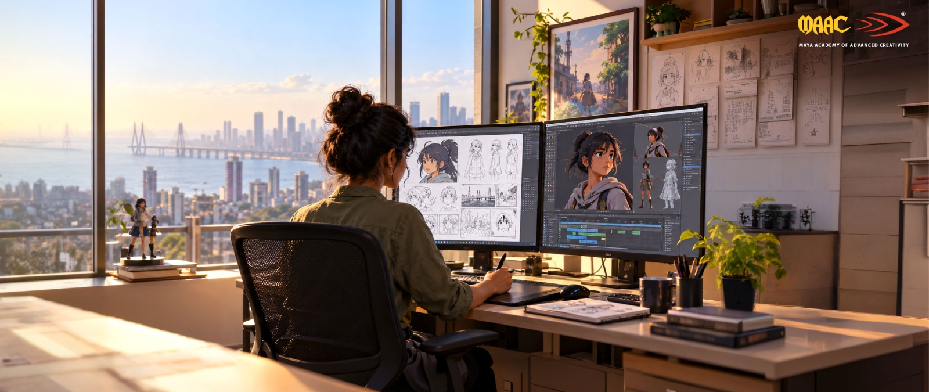
How to Build a Career in Anime: Exploring 2D and 3D Animation Opportunities in India
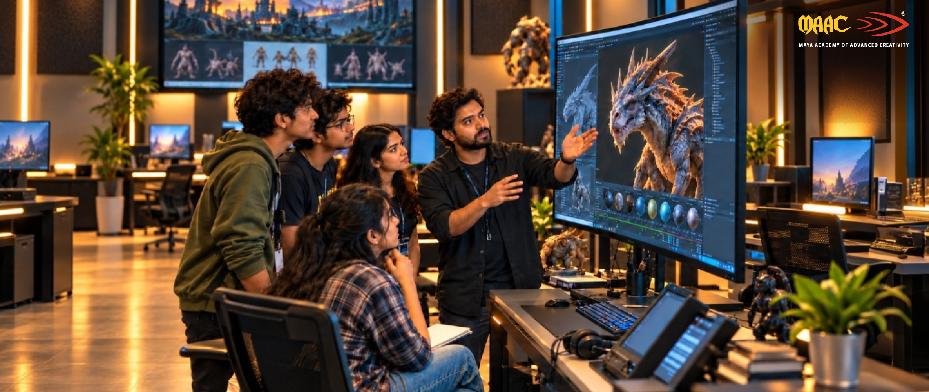
Beyond the Classroom: How Studio Visits Give Animation and VFX Students Real World Industry Exposure
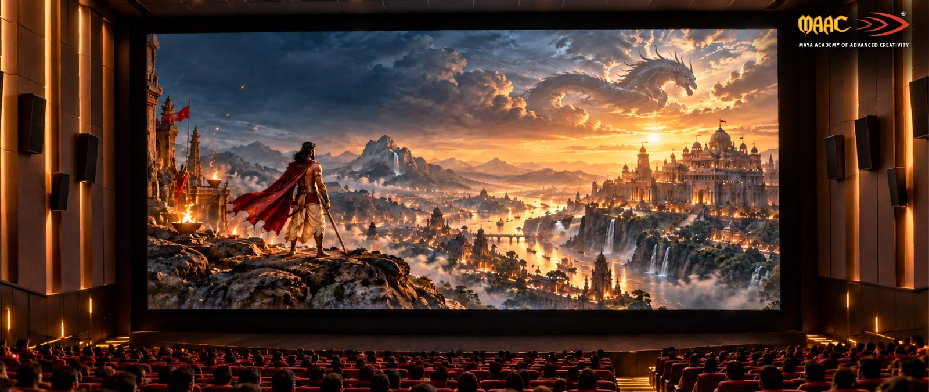
How VFX Transformed Indian Cinema: The Rise of Visual Storytelling on the Big Screen

Essential Tools for Digital Creators: How a Digital Content Creation Course Prepares You for Real World Production
From MAAC Classroom to Mirzapur: How Animation and VFX Training Can Lead to Successful Careers in Film and OTT
A Parent’s Guide to VFX Careers: How MAAC India Helps Students Prepare for Careers in Top Media Studios
From Sketchpad to the Silver Screen: What You Learn in a 3D Animation Film Making Course
Behind the Scenes of the 24FPS VFX Shoot: Where Creativity Meets Industry Practice
Your Future Starts Here!
Discover a wide range of programs designed to empower your future. Whether you're starting your academic journey or advancing your career, our courses are tailored to help you succeed in today’s competitive world.
Start Your MAAC Journey
Reach out to us today and take the first step toward your creative journey with MAAC.

Ask Me