

Table of Content
- Introduction
- Why a classroom alone was never going to be enough
- What actually happens on a studio visit
- From industry interaction to real career direction
- How a VFX and Animation workshop adds to the experience
- Why this matters when choosing where to train
- Bringing it all together
- Frequently asked questions
Introduction
Ask most animation students what they picture when they think about working in a studio, and you will usually get some version of the same answer, rows of artists at their desks, big screens, maybe a render farm humming away somewhere in the background. It is a decent enough mental image, sure, but it is still just that, an image pieced together from videos and photos rather than anything actually lived through. There is honestly a pretty big difference between imagining a studio and standing inside one, watching real production happen right in front of you.
That is exactly the gap studio visits are meant to close. For students training at what is often considered among the best animation institute in India options, stepping outside the classroom and into an actual working studio tends to change how the whole industry looks to them, almost overnight.
Why a classroom alone was never going to be enough
Classrooms are genuinely good at teaching fundamentals, software, timing, composition, pipeline theory, all of it. What they cannot really replicate, though, is the pace and pressure of an actual production floor, where deadlines are real, feedback comes fast, and a dozen different departments are all working off the same shot at the same time.
This is really why studio visits sit at the centre of how a serious animation and VFX program is meant to work. They give students something a lecture never quite can, a first hand look at how theory turns into an actual finished shot, episode or game asset once it leaves the classroom and enters a real pipeline.
What actually happens on a studio visit
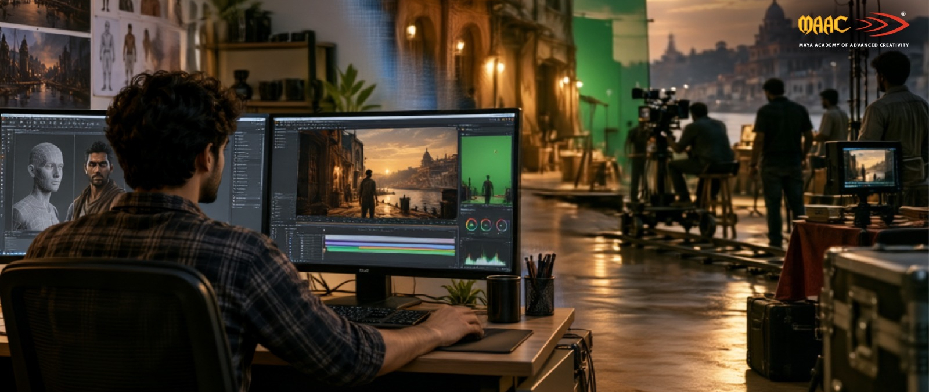
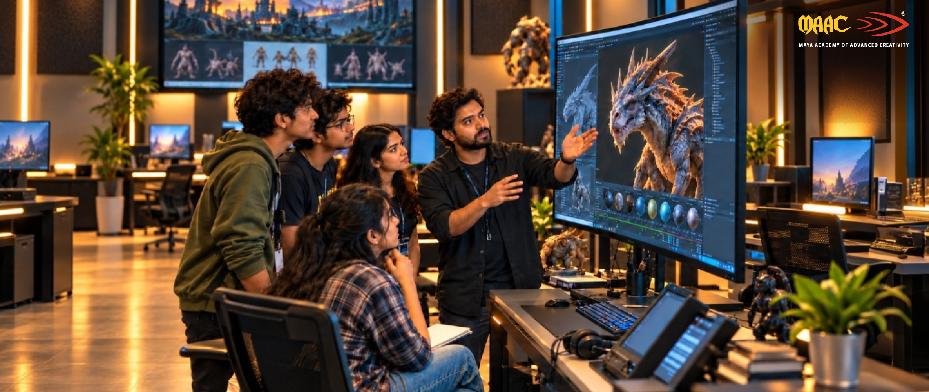
A well organised studio visit is not just a walkthrough where students peek over someone's shoulder for twenty minutes and leave. Students usually get to sit in on live production discussions, watch artists move between modelling, rigging, lighting and compositing stages, and ask questions directly to people who are actually doing the work that day, not just teaching about it.
This kind of direct industry interaction tends to stick with students in a way classroom instruction rarely does. Hearing a supervisor explain why a particular shot got sent back for revision, or watching a compositor fix a lighting mismatch right there on the spot, teaches lessons that are honestly hard to plan for on any syllabus. It is one thing to be told how a studio operates. It is a completely different thing to watch it happen in real time.
From industry interaction to real career direction
A lot of students walk into animation training with a rough idea of what they want to do, maybe character animation, maybe VFX, maybe something in game design, without ever having actually seen what a day in that role looks like. Industry interaction through studio visits tends to sharpen that picture quite a bit, sometimes confirming what a student already suspected, and sometimes nudging them entirely toward a discipline they had not seriously considered before.
Talking to working professionals about their own path into the industry, the decisions they made, the mistakes they learned from along the way, gives students something a course outline simply cannot, a realistic sense of what building a career here actually looks like once the training itself is done.
How a VFX and Animation workshop adds to the experience
Studio visits work best when they are paired with structured, hands on learning back at the institute, and this is usually where a VFX and Animation workshop comes in. Instead of only observing professional work from a distance, students get to actually apply what they have seen, practising compositing techniques, experimenting with lighting setups, or working through a simplified version of a shot similar to what they just watched being built on the studio floor.
A good VFX and Animation workshop basically closes the loop. Students watch professionals solve a problem during a visit, then get guided practice trying to solve something similar themselves, with instructors around to catch and correct habits before they turn into permanent ones.
Why this matters when choosing where to train
Not every animation program builds in this kind of exposure, and honestly, it is one of the clearer ways to tell serious training apart from something more surface level. When people search for the best animation institute in India, studio visits and steady industry interaction are worth paying just as much attention to as the software list or the course brochure, because they say a lot about how genuinely connected a program is to the industry it claims to be preparing students for.
Institutes that treat these visits as a core part of the curriculum, not some occasional extra thrown in, tend to produce students who walk into interviews already comfortable talking about real production workflows, simply because they have actually stood inside one.
Bringing it all together
Animation and VFX are, at the end of the day, industries you learn by doing, and by watching people who already know how to do it well. Studio visits give students access to exactly that, a direct line into real production environments, honest industry interaction, and a clearer sense of where they might actually fit once training wraps up. Paired with structured practice through a VFX and Animation workshop, that exposure stops being a one off field trip and starts becoming part of how students actually learn the craft.
For anyone weighing up where to train, it is worth asking how much real studio access and industry interaction a program actually builds in, because that answer tends to say more about the outcome than almost anything else on a course list.
Frequently asked questions
- What exactly happens during a studio visit for animation and VFX students?
Ans - Students typically get to observe live production work, move between departments like modelling, lighting and compositing, and speak directly with working professionals about how a shot or project actually comes together day to day.
- How does industry interaction during training actually help students later on?
Ans - Industry interaction gives students a much more realistic sense of what different roles in the industry actually involve, which often helps them choose a specialisation with far more confidence than reading about it ever would.
- What is covered in a typical VFX and Animation workshop?
Ans - A VFX and Animation workshop usually involves hands on practice with compositing, lighting and effects work, often built around problems similar to what students have already seen during studio visits, with direct instructor feedback along the way.
- Why do studio visits matter when comparing animation institutes?
Ans - They are one of the clearer signs of how connected a program actually is to the real industry. When people look into the best animation institute in India, consistent studio access and industry interaction are worth weighing just as heavily as the syllabus itself.
- Do studio visits and workshops actually influence a student's specialisation?
Ans - Quite often, yes. Seeing real workflows up close, alongside structured practice in a VFX and Animation workshop, tends to either confirm a student's existing interest or point them toward a discipline they had not really considered before.
- Is this kind of exposure available to beginners, or only advanced students?
Ans - Most programs introduce studio visits and workshop based practice progressively, starting with foundational exposure early on and building toward more advanced industry interaction as students move further along in their training.